Day of Mars

Tuesday, February 28, 2017

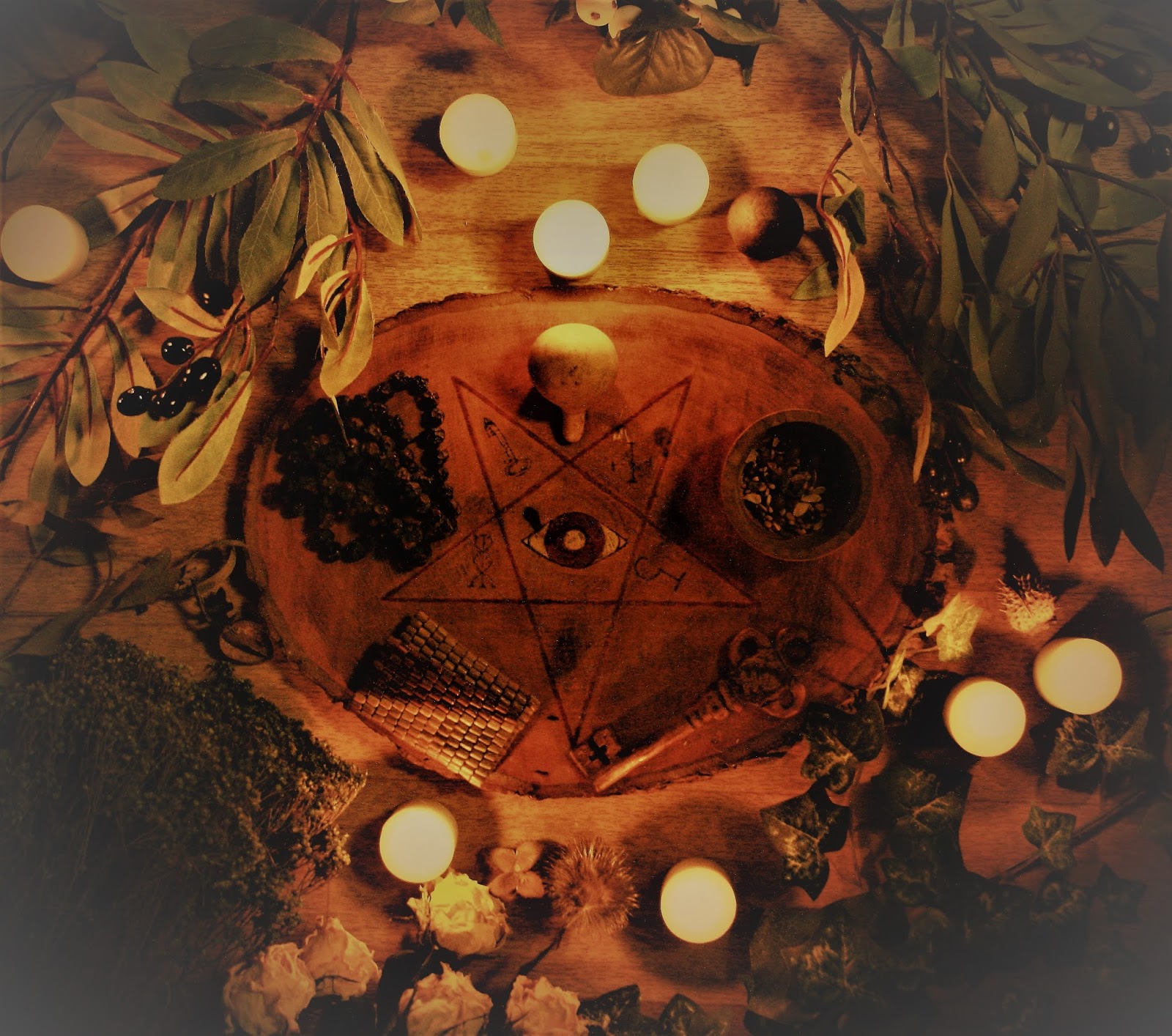
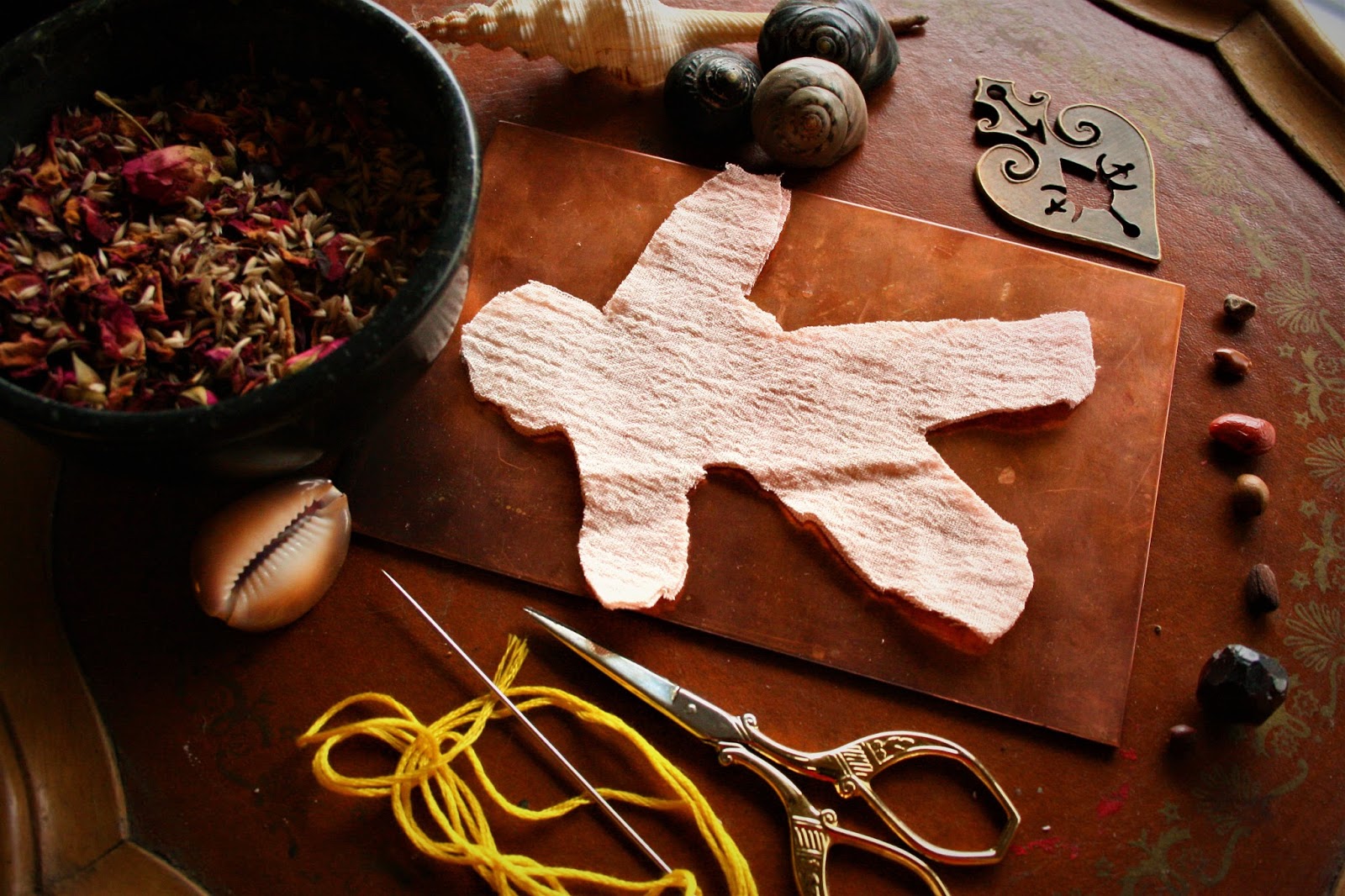
Over the weekend I took time to clean house, venerate the land and the dead, steady my mind and ready my heart.  I won't fear anything, I have myself held together by something strong.  It's time to get to work.

Mars Day, Waxing Moon


Leporcalia Tarot and The Tin Can Forest

Thursday, February 23, 2017

Oh I'm just ever so happy with the Leporcalia Tarot.  

Kyrianne, thank you so much, and thanks again for keeping me updated during the bicoastal storms!  This deck is not only good quality design, but so interesting just to look at.  The style marries the modern with traditional art, has multicultural facets (everything from a mochi-making Moon rabbit to Mayan Lovers) and flows between classical, contemporary and everything in between a bit.  I was particularly happy with what I can only assume was a (awesome) nod to Watership Down on the Sun Card.   I was hoping that this wouldn't be another slightly cheesy animal-theme deck and was not disappointed- this is artwork, plain and simple, and each card looks like it had been well thought out before going into print.  It isn't too cutesy; if anything it gives me a bit of a Victorian tea-parlor feel, except far more worldly.  Lastly, the carrot "wands" suit was an adorable touch.

We approve.
You can follow Kyrianne on facebook and purchase this deck on Etsy.

A few months ago there was an occult book fair and conference at the UW which I was happy to attend.  I loved the rare literature, the cool and knowledgeable dealers, the talks, the atmosphere, but gods honest truth, the stand out was the art of Tin Can Forest.  I met one of the proprietors and immediately had to buy one of her prints.  I then spent a good deal of time lavishing compliments and practically begging her to consider creating a tarot deck from her stunning gallery.


Tin Can Forest; your work speaks to me.  It speaks to my magic, my circles, my rituals.  Every time I look up at your prints I'm reminded that the sabbat is more than real, because you must have been there yourselves to have captured its otherworldliness so succinctly.  We must have met there, over forest and fen, under thickets and in cabins and pits.  This style is like water and thorns, like fairy tale dreams and beautiful nightmares altogether.  You've got quite the aesthetic, TCF, and I'm all about you right now.

Seriously, is there anything I can do to convince you to make a borderless tarot deck from your paintings?  Come on, I pledge invest a small sum every month if it will get me a full tarot deck from you.  I'm dead serious.

pretty please? just think about it....

Interpretation

Sunday, February 19, 2017


I saw a path obscured by obstacle, overcome by an all-seeing eye.  I saw a moon above an ox, and thistles in bloom.


Relationships are complicated; romantic or creative. Communication is difficult and it takes some hard work and creativity to make expression of an idea work.  But when you put in the effort and time, success is natural.  Be warned, even though the past can bring back good energy and new opportunities, learning to let go of a distraction is sometimes necessary to create something new.

Love Plant, Love Potion

Friday, February 17, 2017


Bene stetis, bona gens

They say we all love in a particular manner.  Some of us love logically and pragmatically, others romantically and others have companionable love.  Consummate love is rare, it's far more common to be infatuated with the idea of a person rather than the reality.  It's common to become fascinated in love with someone who is inherently bad for you.  And others are doomed to fall in love quickly and wildly, here and there.

"Love is sweet.  A mouth that is the object of erotic love tastes like honey."-Christian Rätsch, Plants of Love

It is part of my identity to recognize the sensual appeal in the realms of taste and smell as they are manifested in nature.  Different smells turn us on, different materials produce different effects; medicinal, metaphysical or otherwise.  Cinnamon stirs passion, vanilla sweetens languishing love, lime teases the tongue and chocolate is euphoric delight in all its diverse forms.

Tea: black tea, blue lotus, peppermint, jasmine blossom. Just for me.
Every culture had its own taboos relating to love magic.  In Latin American magic, vanilla and cacao are used in combination for both medicine and as an aphrodisiac and this pairing is also blended with allspice and cayenne- both of which are considered aphrodisiacs. In Lucumi, omieros of Oshun are blessing and love potions distributed to a patient by the babalawo or a even a witch. In Neapolitan witchcraft, cimarutas or Rue charms are a common talisman, as well as the employment of philters; erotic, committal, consensual, narcotic, entrancing, illegal, forbidden, delighted containing a vast array of herbs and spices.

Friday Morning's Venusian Beauty Bath

In a Tibetan lust-bath potion, it is reported that pomegranate juice, cinnamon, mallow, asparagus and long pepper are employed to reinvigorate that which has been lost.  The ingredients in Southern Hoodoo's love philters involve the volts of the one who is desired or admired; their socks soaked in whiskey, old underwear, spit, semen, hair, breast milk- all manner of personal, these would be coupled with herbal waters, often containing yarrow or High John. This was often mixed with erotic ingredients, concealed in food and fed back to the desired.

Love charms, in all cultures involve a tone of sweetness and floral quality.  The same way the Romanian witches wildcraft sweet flowers for their love potions, so do the brujas in the suburbs of Los Angeles, and so it is with traditional English witches.  In Irish festival lore, hawthorn blossoms morning dew was a potent love and blessing potion.

"Its ritual: either to an apple or pomegranate you recite the incantation three times. You give the fruit to the woman and have her suck the juices.  That woman will come to you: you can make love to her." Neo-Assyrian Ritual texts, 9th Century B.C.E, Ancient Greek Love Magic, Christopher A. Faraone.

Classical folk magic and witchcraft often defined love magic into categories, usually two which represented the separation between charms for intimacy and charms of erotic love.  Christopher A. Faraone helps us define these as eros; which are "spells used to induce uncontrollable passion" and philia; charms which induce affection.  Philters used to cause impotency or coerce sexual frenzy fall under eros, which deals in desires, while those used to bring a woman romantic and marital love as well as the magic of glamour (manipulating the facade with cosmetics and charms) fall under philia.

Floral Tea and Bath; rose petal, bud, hip, French lavender, white heather, blue lotus, marigold, red clover, jasmine blossom, orange osmanthus, elder flower. Requested by Ann. W.
Beyond their simple metaphysical interpretations of folkloric symbolism, there is a real chemistry to some of the Plants of Love.  Though an aphrodisiac flower or food hasn't yet been proven to exist which can cure organic impotency or actually bring a person to orgasm through use alone, there are tastes and smells that appeal to us on an individual level, and this is, in part, because of the chemical make up of different herbs and how they interact with our psychology and physiology.  Many plants of love contain serious poisons like solanaceae herbs and papaver, while others are stimulating and mildly euphoric like plants containing caffeine and caffeine-like chemicals, e.g; cacao, vanilla, tea.

The way we commonly consume cacao and vanilla overshadows the fact that each is processed, stored, fermented and treated to alter flavor and enhance their scent.  Raw cacao nibs and true vanilla pods lose much of their chemical constituents during the treatment process and then again when cooked, which is why raw cacao is often used in order to get a better idea of the true flavor of the bean.  The component of cacao; theobromine, is a stimulant (and poison in large enough doses),  likely lead to its folklore as stimulating warm feelings- similar to vanilla which is ingested for the same purpose.

Do these plants really increase our Oxycontin and Dopamine production or do they just taste so good that we produce these chemicals in response?  I do not know.  What I do know is that there isn't a lot of science to back up the notion of a so-called "true aphrodisiac".  Plants like damiana; the staple Mexican aphrodisiac, anise; Dioscorides claimed this inspired lust, lovage; which is used in standard aphrodisiac tea as well as cinnamon, cacao and vanilla persist in our lore and legends as Plants of Love; both sexual and romantic.
Rose water, orange blossom water, apple cider vinegar, lemon floor wash

Love magic of any kind is about boundaries and choices.  Traditionally, a witch is one who would perform both coercive and consented erotic and romantic spells.  That's part of the differences between a witch in the traditional sense of the term and other practitioners of magic like healers and shamans.  At the same time, the witch would be employed to dissolve or mend or kindle the possibility of marriages, predict fertility and cure venereal diseases with green or white magic.  This is part of the dual nature of the "witch"- just as capable of chaos as order, it all being a matter of choices and personal boundaries.

I could go on and on about the moral implications of tampering with free will, but I'm not entirely sure it works that way, but I will say this; I do not believe I personally have the right to invoke a name in red work, even in the production of erotic philters. I draw my line in the craft at this particular form.  I'm not judging other practitioners for it, that's just part of what makes witches, witches.  I guess right about here, my primary experience with Arts considered not to be "witchcraft" (e.g healing, medicine) shapes my moral views to a degree.  Hex? Sure.  Curse? Hey, shit happens and I wont judge a good curse here or there.  But target a person to coerce their attraction? Nope. I'm not down with metaphysical roofies.

I enjoy helping people feel like they can draw love, opening their minds to the possibilities.  I deal in curiosity and impulses, persuasion and the game.  You know.  That dance?  The flirt before the wave of tension breaks?  I deal in that energy. There's this optimism to my work and it has a lot to do with making people feel full and comfortable.  I find I'm better at that, because it's what empowers me; the curiosity and craving for what's next...  Is that because I'm a tarotist?

Some of these are baths or teas or both.  Depends on who I was working with.  I didn't include a whole list of ingredients because these recipes are private, but I did label their primary parts.  I'm happy with what I've done.  I'm glad people ask me for specific work on such a powerful part of their personal lives.  And it's nice to do my work.

Each person who requested this had received a love reading from me last month during my open period, and it helped me see what they'd need.  After some taste testing, I found some good blends. When I felt that call, I anointed the altar and then got to work.

Success Draw Tea: Orange peel, lemon zest, cacao, vanilla powder (brown and white), ginger root, pinch of marigold.  For D.K

Love Draw Sugar Bath: rose petal, bud and hip, cacao, brown and white vanilla powder, It will be cut with whole milk powder, goat milk powder and honey powder, mixed lastly. For C.B

Renewal Affection Tea:  chili, anise, cinnamon, cacao, brown and white vanilla powder, clove, nutmeg, pinch of Himalayan sea-salt.. For my boy Jackson

  • Plants of Love by Christian Rätsch
  • Pharmako Poeia by Dale Pendell
  • Ancient Greek  Love Magic by Christopher A. Faraone
  • Ozark Magic and Folklore by Vance Randolph
  • The Sorceress by Jules Michelet
  • Where the Hawthorn Grows: An American Druid's Reflections by Morgan Daimler
  • Magick Potions by Gerina Dunwich

Weekend Work: Ivy

Monday, February 6, 2017

the essence of ivy.

My grandpa gave me this tiny box with an agate set on top a while ago, after I sanitized it I thought it would be a nice place for my solid ritual perfume for the spring; essence of ivy is woody and bitter, but when combined with the blended scents of opium and rose the scent becomes thick and floral, lastly tincture of palo santo adds a piney note which blends well with the sweet and sugary aromas of blonde amber and honey

The suit of Pentacles or Coins is ruled by the planet Saturn, and the herb ivy; this suit symbolized home, fortune, protection and stability, and so the the ivy, which protects and binds is interwoven with this suit.  Meditate.


The Chocolate Rose Lime-sugar Philter

Sunday, February 5, 2017


2+ cup: who really knows, I make it different every time depending on who I'm with.  When I'm with someone who doesn't have much of a sugar tooth, I use little sugar.  If I'm with someone like me, I make it thick and sweet and spicy.  Do what feels right.

  • Lime and lemon sugar (a teaspoon combined)
  • Red sugar (1 tbsp)
  • Rose-water infused sugar (1/4 tsp)
  • Raw Ecuadorian cacao (ground to powder, 1/4 cup, more if desired)
  • Cinnamon (powdered 1/3 tsp)
  • Nutmeg (powdered 1/4 tsp)
  • Damiana (powdered 1 tsp)
  • 1 chili pepper during simmer (to taste)
  • Local bee pollen (1 tsp, powdered)
  • Red rose petal (1/2 tsp powdered)
  • Rose syrup (to taste, if wished)
  • Whole milk (powdered, 1/2 cup)
  • Water (2 cup)
  • *additional euphoric herbs of the flowering variety, in the form of butter ;)
I cooked it slowly over the stove in a pan, stirring until it became thick and frothy.  With the rose syrup added and a pat of butter, the philter is heavenly, fast acting.  Strain through cloth mesh, but if you like a little texture, strain through a sifting mesh.  The creamy hot milky mixture will be spicy with a thick aromatic heat that fills the air around it. If you add rose syrup, it's slightly floral and a good combination with the rose powder.

It fills the mouth; hot, sticky, thick and heavy on the tongue.  When it hits the belly it is warm and fiery, probably from the mix of chili seed and prayers to The Holy Harlot.  It has the power to make you giddy and hot, happy and satisfied, ready and willing, and is a perfect dessert between partners (with some whipped cream on top!)

Balancing sweetness is key, don't go overboard just because the cacao is bitter upon first taste; it doesn't take much in the way of syrup or raw sugar crystals to sweeten this chocolate milk.
A Sweet Dream Sugar Gourd

Something Beautiful

Friday, February 3, 2017


I saw something so beautiful inside.  It was clear and blue and warm, it was complicated and destructive, it held my gaze, and it was beautiful and then it died.

Beauty is the spring time.  That is when I come alive, with the seeds and the green.  For some, the beginning of spring is the day you set your clocks forward, for many pagans, the spring arrives with Imbolc.  For me, the spring comes with the first new sprig of green I see in the woods.  The second those bluebells, hyacinth, lunaria and iris start pushing up through the cold earth and stretching up towards the weak sunlight, that's when spring begins.  It begins when the beauty of winter has turned to brittle barrenness and the ground is suddenly dusted in that fine, new grass beneath the frost.

The crab apples, pears and plums wither in their sacks and ferment.  When they slough to the ground, the earth smells like mead and rot and magic.
Spring, to me, is everything beautiful and right. It signifies the beginning of something old and new at the same time.  The wheel is the same every time, you know?  It turns endlessly from one season to the next.  The leaves grow brittle and bare, they grow green and nubile, they grow heavy with fruit, they grow brown and bony.  It's a system that continues on and on forward.  It's a clock to me, a grand clock by which everything that matters can be measured.  I measure my progress each spring; my seeds, my plants, my work by the increasing warmth of the land and the rise of the sun- by the change in constellations and the way the land grows and ebbs and breathes.


Just as the winter is sometimes personified as the Hag and Hunter; the spring sometimes is personified by the Virid Virgin and the Green Man; they symbolize the pure growth of new life before it enters is stage of sexual reproduction and fecundity.  When the flowers bloom and open to the world for the bees to pollinate and the wind to break, they will be in the garden of the green man and woman, of those old gods of woods and trees and soils, they'll be cared for by the next personified season.  Spring is here to cook up life to be served deliciously to us all.

My Yew.
I saw something so beautiful.  It was growth, it was destruction, it was bones covered by moss and black fungus.  It was ripe ferns unfurling and stretching along stumps and hillsides.  I saw glassy saps gushing from between the split legs of an old pine.  I got drunk on the smell of petrichor and withered leaves; I fell asleep to the sound of frost cracking along the creeks.

Winterstide is ending, here comes the Spring.

Venus, Saturn, Sol: Weekend Work

Sunday, January 29, 2017

Venusday.
Plant spirits can be difficult to interpret or commune with sometimes.  If tarot or some other oracular tool is your medium, and you practice the green arts, then naturally empowering ones herbs and understanding their virtues and speaking their language by creating a link between you, your medium and the herbarium makes sense.

My cards help me interpret, or, "see", the world around me better.  They guide my thoughts and encourage my imagination and lead me to reflection. Part of their value is that they as the medium of choice help me communicate on a deeper subconscious level with the plants I'm working with.

"The World is associated with the planet Saturn, the astrological taskmaster. Saturn is concerned with objectivity and duty, and working within recognized boundaries.  The World card shows that you have completed you work in a way that others can recognize and reward."- Liz Dean, How To Read Your Tarot Cards
Plants associated with Saturn: poppy seeds, mullein, myrrh, cypress, lily, ivy
Plant's Of The World Tarot: lovage and mandrake
Plants of the Waning Moon: rue, vervain and holly

Saturn's Garden; Paul Huson, speaking on Culpeper described the herbs of Saturn to be "bitter, funereal, melancholic or otherwise Saturnine." Saturn'd day, like the day of Mars, is a good time for hexes and curses. Black pepper, grave dirt, slippery elm, black poppy seed, red pepper seed, volts and blood and bone from the crucible.  This isn't a hex for me, but a gathering of materials for a hex gourd kit requested by witch Fatima of Ballard.

As for me, I've been recovering from the flu and my stomach was aching a bit.  Went for that old-school Southwest herbal tea; corn silk, marigold, licorice, mallow and honey. A tasty rest for the stomach.
Sweet Dreams Powder.

Verbis Viridis

Friday, January 27, 2017


As the old adage goes; to know something's true name is to have power over it.   Determining a things true name is a subject of great debate and controversy, and then, what's in a name?  Plants are more than their names.  Can the taxonomic classification of a plant be interpreted as a true name or a language?  Is communication with plants a matter of U.P.G? Can plants only be communed with in the language of the local ethnic group or is the language of a plant merely a metaphor for scientific and spiritual understanding of an herb?  I'd guess all these options carry weight, maybe they're all true at different times for different practitioners.  

My interest is in communicating with plants on every level.  I want to be able to not just identify their form, but resonate spiritually with the nature of plants.  I want to speak their language, know their many dialects.  Theirs is a language of senses and movement, cycles and ecosystems.  It's complex beyond beauty and knowing all that you can could only ever be a fraction of their vocabulary.  


The green tongue, the voces magicae of the occult herbalist; are they divine words spoken only by plant magicians and the green world?  Are they a manifestation of plant gnosis?  Are they the language of plant lore?  I think they're a combination of all these things; material, spiritual and experiential.


"Plants can be said to have a personality- a certain air about them- and this is often reflected in their names."- Richard Bird, A Gardener's Latin

Speaking the tongue of the plant world can be manifested in a number of ways.  Most people are familiar with the Language of Flowers; which communicates the symbolism of flowers, often based on some valid history regarding its folkloric use, discovery or practical applications.  The Language of Flowers uses the symbolism of a flower to tell a simple or complex fact about its nature.

The wisteria floribunda- meaning "free-flowering", is a vine is known also under the symbolism of "welcome" in Western flower language and its language is that of welcoming to one's property or home, and typically this plant occupies fences and door arches, "inviting" people in with its calm sweet perfume and gentle movements, though in Japanese flower language, wisteria signifies poetry and youth.  

Hedera helix- meaning "twisting"; in the Language of Flowers is symbolic of dependence, fidelity and commitment- though this depends on which culture you are speaking from; the language of gort in the Irish pagan world is of constancy and steadfastness- in the Greek world, its symbolism is associated with Dionysus, concealment and victory.  This is one method of interpreting the message a plant may wish to convey on a symbolic level- as symbolism is part of the language world.  Often times flower language is contradictory, being relative to each culture, so it's important to know where your herbs are coming from in literally every regard.


Another manifestation of the green word is through the act of ritual bonding; where the plant spirit is quite literally consumed by the witch/shaman in varied doses and methods until a sense of unity with the plant has been achieved.  Some green alchemists believe that this road leads to one being able to "communicate" with the spirit of an herb, to speak the sacred words that evoke the spirit of the plant through ritual experience.  

Slowly introducing a specific plant and its matter into your system in ritual and practice is a great way to become acquainted with the personality of an herb, and depending on the herb, can be used to facilitate a flight-of-the-spirit, where perhaps you will learn the true song of the herb.  The idea is that as you absorb the quinta essentia of the plant, it will  reveal hidden wisdom to the one who imbibed the herb.  This is reflected in mythologies across the world from the Celtic hazelnut of wisdom to the Biblical apple of knowledge to the pomegranate seeds of the Greek underworld.

"The spirits of Meadows, abundant with flowers and fragrant herbs, are often best captured in a wine or other nectareous liquor; waste-lands, absent of water and plant life, best offer ocher, sand and their dry and brittle bones to be ground into Dust of Art." -Daniel A. Schulke, Viridarium Umbris: The Pleasure Garden of Shadow
Sic tua Cyrneas fugiant examina Taxos
Of course, this can't be done with every plant or every constitute of a given herb.  I would not recommend, for example, consuming the oxalate-rich  ivy berries as they have been known to upset the skin, stomach and throat; while a tincture of the leaves can be okay in low doses.  

Another herb that makes a great familiar but a bad meal is the witch known as Yew, where no part of the taxane plant should really be consumed except the red, fleshy outside of the poisonous seed.

Some roads are ghost roads and some places can only be reached by the dead.  When we imbibe psychoactive herbs which are poisons to varying degrees of severity, we "die" in a sense.  This death is the mechanism by which the journey is achieved.  When shamans chew peyote buttons, they die.  When seekers drink the crushed wood-rose and undergo the agony to reach that distant euphoria, it is through death.  The death can be a long process, the death can be a period of trance or unconsciousness.  


Poison roads aren't for everybody.  I'm one of those greenwomen whose spirit simply is not ready for the initiation into some of these poison mysteries. I get along well with shamans like kava and divinorum, coffee and cacao, wine, tea and cordials, tobacco and other vaporous herbal shamans; lazy ones, sleepy ones, long pipes and short...

In truth, before you can understand the language of any plant, you should probably be well acquainted with its gifts and maladies, or you'll wind up suffering; trust me- one hot day with digitalis taught me all I needed to know. Never seek oral communion or consumption of any herb without knowing its basic medical chemistry.  

I encourage amateur herbalism seminars, lectures, training or classes, communication with local apothecaries or naturalists, or wildcrafting courses to better understand the nature of herbs and the plant world. I've had good luck getting acquainted with my local horticulture vocational program instructors, urban agriculture gardeners, nursery workers and park volunteers.  These people as well as continuing education by taking courses in chemistry, botany and biology are a great way to stay informed on how to speak to plants in the most basic ways.  You don't need to be a master herbalist or certified botanist to be a good gardener with a green tongue.

The Root...

Start with what you know.  There's this glamorous idea of traditional witchcraft that idealizes these trees and herbs that are famous in the lore of European witchcraft, but that's not the reality for witches around the world.  Henbane is in no way part of the pharmacopoeia of my birth home in the Californian desert or my current homestead of the rainy Northwest.  Atropa belladonna and mandragora are also sparsely ever seen in my region of the world, so how could I ever really come to bond with these spirits or hold them as familiars when they don't even play in my garden?   I stick with who I know, because as romantic as the lore and legend of wolfs-bane and mandrake might be, they are not members of the Riverton herbarium.  

My birthplace was home to datura, peyote and mescal bean, and these plants were cultural acquaintances of ours growing up, along with their companion spirits; rattlesnake, monarch, black widow and coyote.  Medicine bags vary by family, clan, tribe, region- the medicine bags made for my sister and me by the elders at the Indian Center contained the plant spirit medicine of the peoples who dwell there, while the medicine bags received when we moved North to be with our Salish-descended families contained some different matter and the plant spirits within sing different songs.

Aloevera, sagebrush, echeveria, creeping buttercup, eschscholzia californica, eucalyptus, squash flower, bean pods, red bean (mescal), willow, reed; I befriended these plant spirits on an intimate spiritual level before ever leaving California, just from the amount of exposure I had to them in a variety of capacities from the kitchen to the pow-wow grounds, from tia's altar to grandma's garden.  I was nurtured on corn-silk tea and aloe juice, eucalyptus baths and cobwebbed eyes.


These days, I reside a lot further North and the medicine of the indigenous peoples here varies a good deal from Southwest customs, as do the animal and plant spirits of the Northwest.  So I stay culturally and spiritually acquainted with the well-known sacred spirits, medicine of the plant world who dwell here; among them cedar; industrious and nurturing, madrona; a tree of life.  Duwamish river reeds are builders of long-house mats and baskets for offerings.  Even stinging-nettle sings a bitter song at first but sings a different tune when put into the pot to boil and eaten in a meal.

This region has a lot of old gods; they are still kept alive by the medicine of the people who still dwell here. Raven spirit, thunderbird, salmon-people, coyote and red tail hawk are all still prominent figures in local lore and deeply loved spiritual figures in the coastal Northwest.  These aren't just stories of my childhood, these aren't just parables from my region; this medicine is my guiding green key to the doorway of nature here.  Every story reflects the animistic relationship between medicine and nature; which are essentially one and the same.


"Animism, the earliest form of spiritual belief, operated on the principle that each and every object in nature possessed both a tangible and an ethereal dimension and that the one could not be separated from the other, whether the primitive eye was viewing a mammoth, a mountain or a tree."- Michael Jordan, The Green Mantle

 Rabbit and crow spirit thrive by the Duwamish
river in massive warrens and murders.
This place is haunted by a lot of old spirits. Not too unlike the fairy, the spirits of this area dwell in deep tree roots, in pockets of tree rot, in nurse logs and green rivers and occupy both this and and other worlds as liminal beings.  As close companions to the plant spirit world are a variety of living spirits like coyotes, raccoon, blue heron, eagles and plentiful rabbits.  They all speak their own language and sing their songs.

Working with a plant spirit to learn its language is part of my animistic process.  Every plant has its own name, and I swear most plants speak their own very specific language, something that can be communicated to us through different processes.  


Practitioners utilize plant spirit medicine in a number of ways.  In most or all cases, this is done by speaking with the spirit of the plant and coaxing it forth.  They can be sung to, they can be placated with offerings.  Some plants require that the shaman speaking to them be of an altered consciousness, aided by a secondary plant shaman like marijuana, peyote or San Pedro cactus or by ecstatic dancing, or by drumming, clapping, stomping, by disciplines like yoga or dreaming techniques- some method of altering one's state of mind... most easily achieved through a mix of drugs, dance and music.   Some plants will only reveal their spirits when communed with during trance and soul-journeys.


"In their blossoms, seeds, leaves, and roots are locked the secrets of life and death, powers healing or harmful depending on how they are used. Herbs have been used from time immemorial as medicines, tonics, body beautifiers, mind stimulants; as aphrodisiacs, perfumes and smoke makers."- Paul Huson, Mastering Herbalism

Incense, oils, ointments, lotions, food, spices, perfumes, poultices, baths, wraps, muds, clays, cosmetics, unguents, liquors, etc, all of these practical applications of plants will build your understanding of plants, their virtues, limitations and maybe that manner of expression is language enough. 


Plant Spirit Teachers...

There are a plethora of deities in various cultures associated with herbalism.  In addition, many deities are identified with specific herbs and places of dwelling.  In medieval occultism, the plants are ruled by the Seven Planets which are also identified with specific places, colors, numbers, sounds, minerals and animals. This is a staple of Western herbalism and is one of the systems used to decipher the true essence or spirit of an plant.  A few Irish "green witches" I know identify their herbal practice with Airmid, a tuatha healer who is said to have knowledge of all plants and their virtues; something only she knows.  If you want some insight into the Celtic world of herbal charms, look towards Irish poetry and the Scottish charms of the Carmina Gadelica; there are charms for the green tongue within.


This theme of a the Divine Herbalist who alone even among greater gods knows the true nature of all herbs is not exclusive to Irish legend, it is paralleled in some regional indigenous American lore and in West African  and Afro-Caribbean lucumi.


In the lore of santeria, the plant world is an expression of divine wisdom.  They contain souls, holy attributes to be loved and feared.  They are the first teachers of wisdom, and guarded by a wise Orisa who holds dominion over all herbs: Osain, patron spirit of osainistas, some curranderos and yerberas- truly all plant medicine and ewe. The herbs used in ritual have their common lucumi names and then they have their secret names known only to initiates.

In the medicine of my family, tribes and region; many spirits hold wisdom over many plants and there is not a central "teacher" of all herbs in our mythology.  For example; cedar is its own spirit, it must be communicated with directly. This is true of all plants and trees; they are communicated with directly as individuals, not simply extensions of a particular god.

***

Plants have their own souls, their own songs.  Some weave spells just by swaying in the wind, others must have their powers conjured up from their rhizomes, while others contain all their spirit in their slender stalks.

"Sacred herb, which hast neither been sowed, nor planted, show forth the power God has given thee!"- medieval French charm, Mastering Herbalism by Paul Huson

Learn the pharmacopoeia of YOUR region.  It's romantic and all to imagine yourself as an English witch, dancing through a hillside of henbane and mandragora, but those witches don't play in every garden, nor should they.  Learn the plant-gods and plant spirits who dwell among you and seek out their virtues.

Develop a deep empathy and respect with herbs and trees, treat them as the spirits they are and learn the taboos of their cultivation.


"A magical garden can teach practitioners how to open themselves to the spirit world. As we tend our plants, we learn how to wait and silently listen, to be open to the language of the other, to make space for spirit contact not only in the material world but in our selves."-Harold Roth, Curating the Magical Garden

Create a bond with the land through ritual and daily acts; you could grow a blood garden, where every plant from seed to stem to end is fed on the words and blood of power of the witch who tends the green.  The harvest of these portions when they have completed their life cycles can be used in a number of applications; elixirs, philters, unguents, liquors.  This is doubly powerful when the life-cycle of a plant; its gardening cycle and its sexual reproduction is considered and studied.  

Consuming from the blood-fed garden is a sacred, circular act of bonding and binding the self to the green.  I've heard herbalists refer to this chlorophyll Host as a sacrament, and that it is.  In its own way, we are imbibing the divine blood of our heritage when we consume of plants.

Take up a plot of land and be its tender, its protector, its verderer.  Keep it green, deliver sacred waters to it, nurture and ally yourself with every shrub, bush and tree.  Inside every herb is a universe of chemical and spiritual mystery; for some witches, the green spirit of the plant and the spirit of the witch are cut from the same heritage.  To tend to that divine light and care for it is a great way to honor the green and endear yourself to the plants in your keeping.


Vines are excellent communicators; they speak a slow dialect of the plant languages, though the vocabulary is extensive.  The Creeping Sisters; Solanum D., Ipomoea, and Hedera H., all speak a similar language, one I can sort of hear in the distance across their many tendrils.  Their words are tight, twisted, made up of diversions and allegories.  They sound like serpents, they sing like children, their words are long and low.
Learn the names, taxonomy, general chemistry and medicinal applications of any herb. I like to take the time to commit to memory the specific portions of a plant that is used, the three most useful chemical compounds derived from the plant, the best method of delivery and any known health hazards.  I cover those bases before I work with any plant on a spiritual level these days- my youth of bare-handed root pulling and blind taste-tests are over!

Learn as much traditional or indigenous herbal lore as you can.  Learn every traditional song you can and embrace plants by the names given to them by the first people who communed with them.  I try and make a point of referring to certain plants up here by their local names when I can remember them, something I was lucky enough to learn a scant few basics from while I attended Long House.  

Western witches seem to have a predilection towards Latin, probably because we derive so much from medieval grimoires and pharmacological texts, and so many may find it natural to follow the Latin taxonomic language when communicating with plants, adding a feeling of scientific formality to their green alchemy.  If you come from a culture with an extensive folklore of plants e.g Japanese, Chinese, West African, look towards the language of your ancestors to commune with plants.  Much like with Latin taxonomy, the names of plants in different languages, their symbolism and their folklore can illustrate the virtues and identity of that plant.

Don't just learn their Indigenous names either, learn their innermost truth as well.  Let them speak to you.  Let them infect your imagination and take root in your consciousness, name them as they wish to be called.  Keep a familiar plant if the opportunity presents itself.  In other cases you may simply keep a useful plant as a housemate and care for it through the cycle of its life, forging a mutually beneficial relationship with them.  You may learn secret words and whispered things from the herbs in your keeping.


However you pick up the green tongue, whatever dialect you speak or method you use, the language of the green is the word of life itself.  The words of the gods.


  • Plants of the Gods by Christian Rätsch
  • Ewe Osain: 221 Plants, Herbs and Trees Essential to the Lucumi Tradition by Mr. William J. Irizarry Jr.
  • Curating the Magical Garden by Harold Roth
  • Mastering Herbalism by Paul Huson
  • Folklore and Symbolism of Flowers, Plants and Trees by Ernst and Johanna Lehner
  • The Green Mantle by Michael Jordan
  • A Gardener's Latin: The Language of Plants Explained by Richard Bird
  • The Lost Language of Plants: The Ecological Importance of Plant Medicine to Life on Earth by Stephen Harrod Buhner
  • Roots and Branches: The Religious Heritage of Washington State by David M. Buerge
  • Viridarium Umbris: The Pleasure Garden of Shadow by Daniel A. Schulke

Sun's Day

Sunday, January 22, 2017

The herb of the Sun Tarot card is the bay leaf; which being under the rulership of the 'solar light'; the spirit of justice, success and plenty, its virtue being both greed and charity, masculinity and fire, femininity and sovereignty.

The bay leaf when powdered and burned produces a piney and tangy smell which is pleasant and dispels feelings of tension and conflict.

The Sun is the star of success, and the luminary of the Solar Mysteries in which those who walk the green path obtain their keys of heliotropic gnosis
.  The grand motif of the witch is as a moon-worshiping night-wanderer, but this was not always the case in history or lore and isn't now.  I'm one of those witches who leans towards that warm golden glow, drawing power from the drowsy daytime dream, the cold morning light.

The Sun is a positive virtue who bonds easily with Venus and Mercury; adoring balance, wealth, glory and justice.  According to medieval grimoire, The Picatrix, the Sun holds rulership over "those who observe the law, and those who keep promises to all people he gives delight in good things, a good reputation in the mouths of the people and high positions and official posts, making all legality and goodness," and also, "among stones, (the sun rules) ruby, and jacinth; among metals, gold; among trees, those that are lofty and beautiful-"
"Among herbs, saffron, roses, wheat, grains and olives,"- The Picatrix. 
In the religion of the Druids, the oak is a tree of the sun.  However, in herbal tarotology, typically the bay laurel leaf and the sunflower (an intrinsic part of the Sun tarot and Lenormand symbolism) is associated with the Sun.  


On the virtues of the gourd, green alchemist Daniel A. Schulke remarks in his work Viridarium Umbris;
"Many gourds shall be required of the Herbarius, in which to house the numerous Powders of Magic.  Diverse kinds of gourds may be so employed, but the best are those which ripen in autumn and whose husks harden, when dry, to the consistency and strength of wood."  
In Cuban Santeria, the gourd is a sacred vessel of Osayin, the lord of all herbs, and the gourd is decorated with a rainbow array pf beads and hung in a high place, fed favored omieros, rum and tobacco to honor the Ewè.

This gourd, as all my gourds, was not only grown by a family member and passed to me for my work, but it was consecrated, soaked, purified, anointed, oiled, polished and suffumigated and beautified by my own hand.  I like to keep only my finished dusts in consecrated gourds.  This one is for the Sun, and it contains the dusts of success and hope.

Night of Venus

Friday, January 20, 2017

Friday. Venus.


Friday candle offering; honey comb and osmanthus flower, honey powder and gold


"Seek from Venus all things that pertain to her such as petitions of women, boys, and girls, daughters and generally everything pertaining to the love of women and carnal copulation with them, art, vocal and instrumental music, telling jokes, and all those who give themselves over to worldly pleasures, those who engage in vices, male and female servants, brides and grooms, mothers, friends, sisters, and all those similar to them, and in these petitions you may also help yourself with Mars."-The Picatrix


"No sooner does she catch sight of some young man of attractive appearance than she is consumed by his charm and immediately directs her eye and her desire at him.  She...attacks his soul an binds him with everlasting shackles of passionate love.. and I advise you to beware of her, for she is always on fire, and you are quite young and handsome enough to suit her."- Metamorphoses 

"Witches are much sought after in affairs of the affections between lovers, and between husbands and wives, and to restore love between parents and children."- Italian and Neapolitan Charms and Witchcraft (folklore history series)

The sigil of erotic philters and those who work the red green arts (green alchemy and magic in Venus' Garden)


"Since ancient times, people have searched for things that can do what otherwise only the goddess of Love herself was capable of doing; beget love where none exists, kindle carnal desires where there is only weariness, provide physical enjoyment instead of  boredom, and initiate erotic adventure where there is otherwise only a lack of fantasy."- Christian Ratsch, Plants of Love


"Often dismissed by the vulgar as a crude or base form of folk magic the love-charm is a complex weaving of powers requiring great care, skill and discernment."- D.A Schulke


"All witchcraft comes from carnal lust, which is in women insatiable. See Proverbs XXX: There are three things satisfied, yea, a fourth thing which says not, it is enough; that is the mouth of the womb. Wherefore the sake of fulfilling their lusts they consort even with devils."- Malleus Malificarum


© VIA HEDERA • Theme by Maira G.